Latest news

  • Avon & Somerset Police & Crime Commissioner visits the IDSB

    09/01/2026

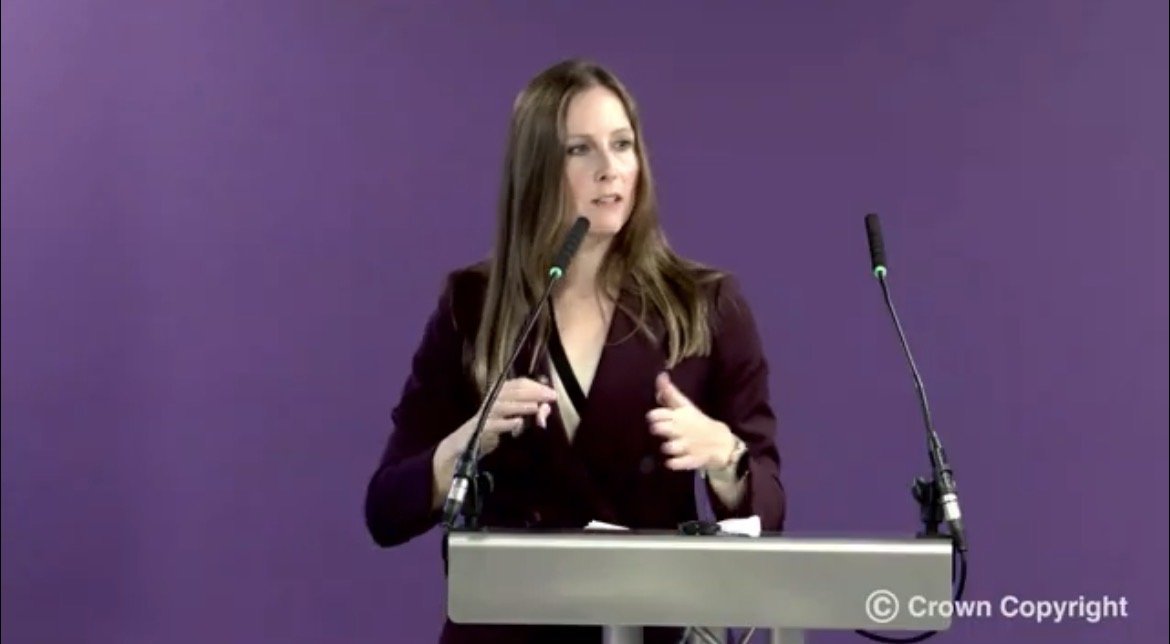
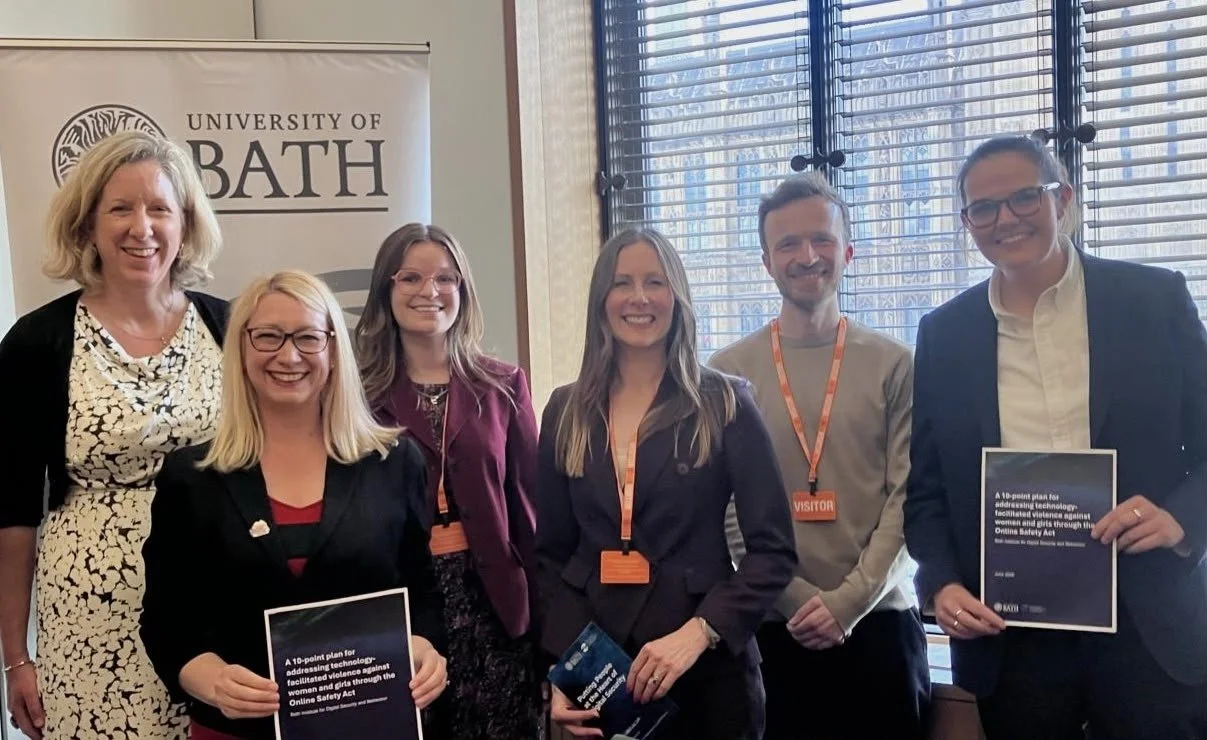
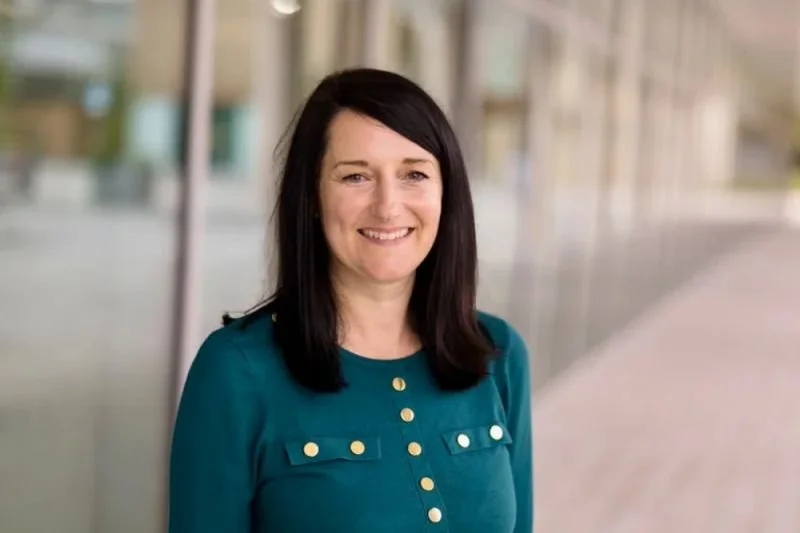
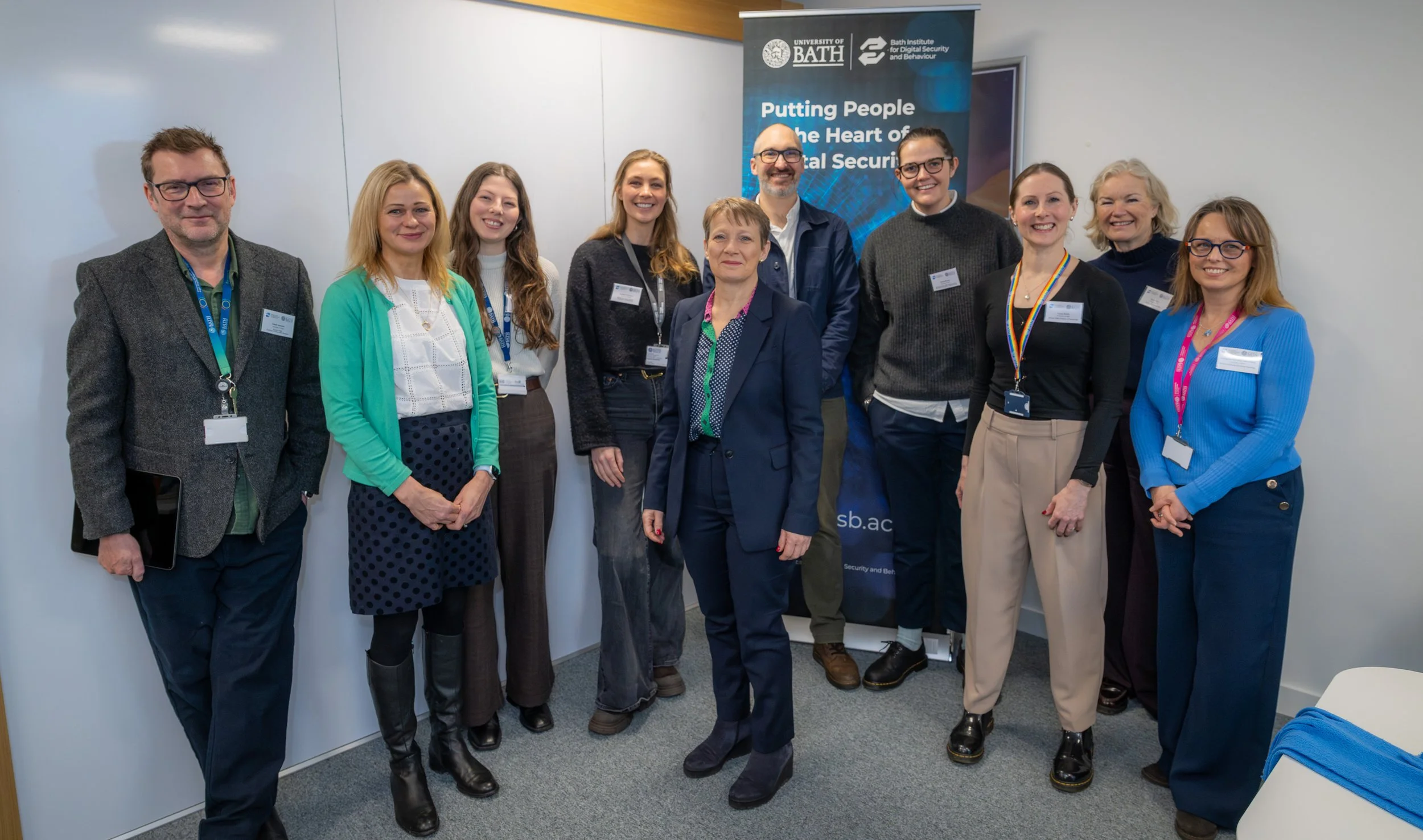
    We were delighted to welcome Avon & Somerset Police & Crime Commissioner Clare Moody to the Institute as part of a wider campus visit. 

    She heard about the work Directors Prof Laura Smith and Prof Adam Joinson and other IDSB researchers are doing as part of the Rephrain Safer Streets project and met the team from the new Bath Policing Academic Centre of Excellence (Bath P-ACE)

    Read more about the visit here

  • Podcast: ‘Lost in the far-right funhouse – how bots and fakes create a false, angry Britain’'

    09/12/25

    Dr Olivia Brown talks about her work on the far right and extremism on the UK political commentary podcast ‘Oh God, What Now?’

    She explains how a small number of far-right accounts weaponise tragedies like Southport and use AI and engagement tricks to fake grassroots, us-vs-them banter.

    Click here to listen

  • Publication: The dangers, directness, and purposes of online collective actions

    05/12/25

    Cassie Lowery, Professor Laura Smith and Dr Lukas Meyer’s paper exploring ‘The dangers, directness, and purposes of online collective actions’ has been published in Political Psychology’.

    Read it here

  • Award: Com Network Topic and Role Analysis (CONTRA)

    01/12/25

    Dr Will Smith wins NABS+ funding for his proposal on COM (Online Harms) Groups: ‘Mapping the content, structure, and engagement underlying a new form of online extremism’ with Prof Laura Smith and Dr Olivia Brown

    Read More

  • Media: Are smartphones and social media harming our children's mental health?

    04/12/25

    One of our priority areas at Bath is to examine the impacts of social media and smartphones on health and wellbeing. Here Professor David Ellis shares reflections on the implications of banning smart phones based on his current review of evidence for the government on the impact on children’s health.

    Read More

  • Publication: Examining membership across multiple online communities in the “manosphere”

    20/11/25

    Dessi Bocheva, Dr Joanne Hinds and Lukas Meyer’s paper ‘Examining membership across multiple online communities in the “manosphere”’ has been published in New Media and Society.

    The study examines users engagement across diverse online spaces that constitute the manosphere using over 4 million Reddit posts from 20 “subreddits”. Multi-community membership may enable dissemination of harmful content to less-extreme spaces posing a greater challenge for moderators to track down and reduce users disseminating hateful ideology.

    Read more here

  • Media: Inside the far-right social media ecosystem normalising extremist ideas in UK politics

    17/10/25

    Ed Harrison and Dr Olivia Brown examine how far-right language and policies migrate to the political mainstream. Read more in the Conversation.

  • Podcast: Can AI help people with dementia?

    06/10/25

    Dr James Fletcher talks to Professor David Ellis about the opportunities artificial intelligence and other digital technologies offer people with cognitive impairments.

    How do we safeguard older people in the digital world without ‘tying them down’ as we often do in the physical world?

    James talks about why asking people as early as possible what they want and what would help, is vital for enable us to live good digital lives

    Click here for the episode.

  • Media: The UK military says Russia targets its satellites on a weekly basis. What can be done about it?

    13/10/25

    Jessie Hamill-Stewart reports on how the UK is responding to increasing threats to UK satellite infrastructure by Russia.

    Read more in the Conversation.

  • Media: Why people embrace conspiracy theories - it’s about community not gullibility

    21/8/25

    Dr Tim Hill and researchers from Bath and Trinity College Dublin report the results of ethnographic research looking at the factors that make intelligent, sociable people susceptible to conspiracy theories.

    The study shows that a sense of community activism is attracting people to these conspiracy theories.

    Read more the Conversation and listen to Tim talking to Professor David Ellis in this Research4Good podcast.

  • Community: Home Office Science Advisory Council

    18/06/25

    Professor Laura Smith has been appointed to the Home Office Science Advisory Council.

    The Home Office Science Advisory Council provides independent, expert advice on the use of science, technology, analysis and research across Home Office priorities.

  • Podcast: How can a game teach us about cybersecurity?

    28/07/25

    Keeping ourselves and our businesses safe against digital threats has never been more important. But how can we visualise these often intangible menaces in order to get to grips with them?

    In response to this challenge, Dr Joanna Syrda and Dr Kseniya Stsiampkouskaya created a strategy game: Threats and Trade-offs.

    In an episode of the Research4Good Podcast, Joanna and Kseniya speak to Professor David Ellis about how games can offer the ideal environment for teaching about and researching digital security.

    Click here to listen


  • Conference: European Expert Network on Terrorism Issues (EENeT) Annual Conference

    Conference: European Expert Network on Terrorism Issues (EENeT) Annual Conference

    17/06/2025

    Security researcher Dr Patrick Bury hosted the annual European Expert Network on Terrorism Issues (EENeT) Conference at the University of Bath this year. The event showcased work by Prof Laura G. E. Smith on group polarisation and radicalisation, and Dr Olivia Brown who researches the link between online group behaviour and offline extremism and terrorism.

    Read more…

  • Evidence to Women And Equalities Committee Inquiry

    Insight: Misogyny: the manosphere and online content

    11/07/2025

    The Institute for Digital Security and Behaviour provided expert insight to the Women and Equalities Committee inquiry on the urgent challenge of addressing the increasing prevalence of misogynistic views and behaviour among young men and boys both on and offline.

    Misogyny: the manosphere and online content.  

    IDSB researchers have expertise particularly in understanding the scale and diversity of the manosphere, the digital pathways that facilitate engagement with misogynistic content, and the commercial footprint of misogynistic communities

    Download our submission

  • IDSB INVITED TO GIVe EVIDENCE TO HOME OFFICE COMMITTEE INQUIRY:  COMBATTING NEW FORMS OF EXTREMISM

    Insight: Combatting new forms of extremism

    11/07/2025

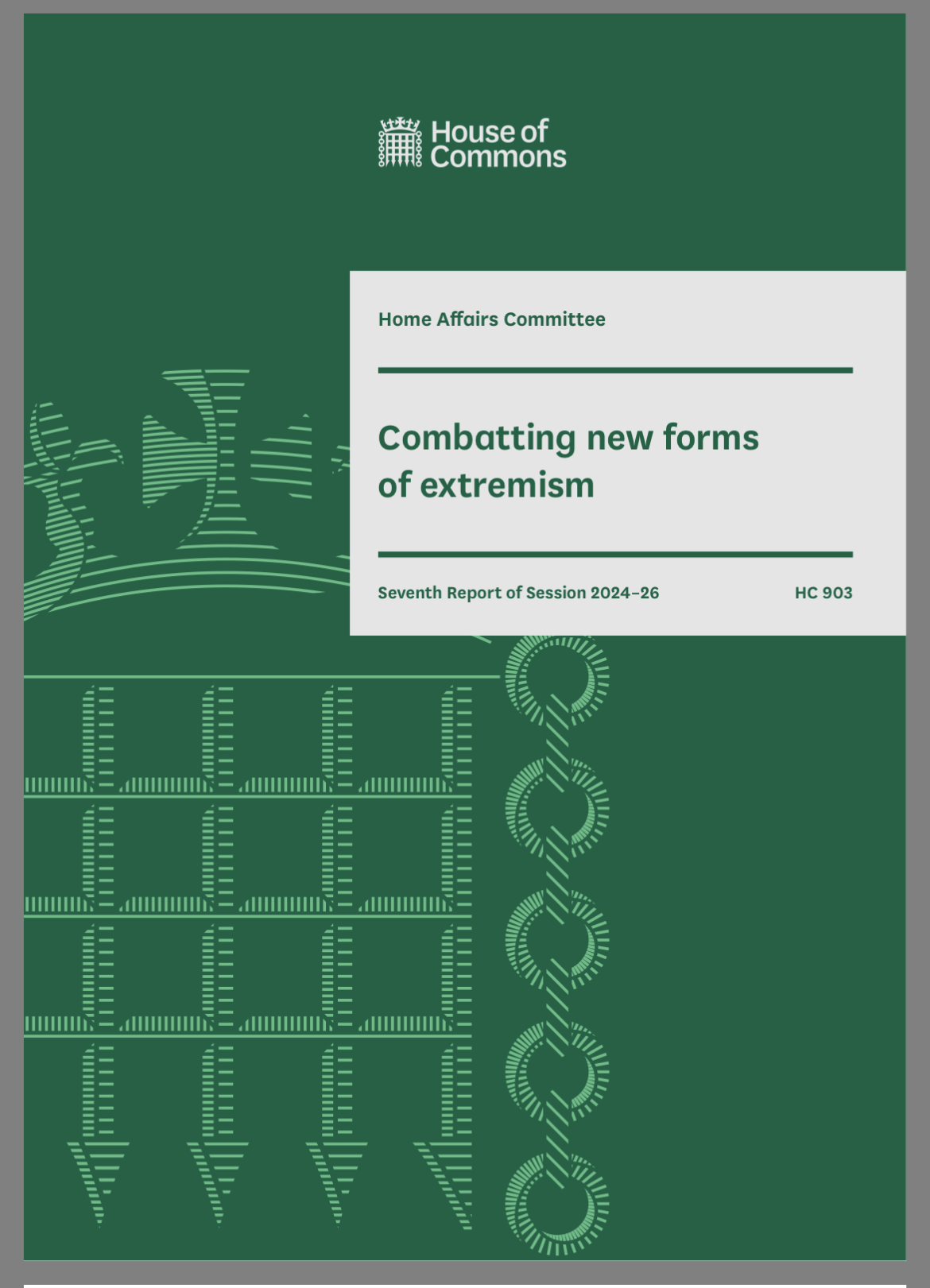
    Prof Laura GE Smith was called to provide oral evidence to the Home Affairs Committee inquiry examining the challenges of combatting new forms of extremism, violence and crime in the UK.

    IDSB researchers have an extensive portfolio of published work relating to online harms and extremism, in particular mapping the forces by which extremist networks form online, and the processes by which online attitudes translate into offline actions.

    Download our submission

    Learn more…

  • Images of Research competition 2025

    Engagement: Images of Research competition 2025

    08/07/2025

    Six IDSB members were shortlisted in the University of Bath’s Images of Research competition, organised as part of the Vice-Chancellor’s Engagement Awards. . Congratulations to Dr James Fletcher whose image won the Digital category!

    See all the shortlisted images and find out more here.

  • IDSB Doctoral Researcher Driving Impact

    Insight: Effective cyber security incidence response

    27/06/2025

    Cyber security incident responders operate in complex sociotechnical systems, making it challenging to understand how to improve their effectiveness.

    By using a novel Systemic Design approach which combines holistic Systems Thinking and pragmatic design methods, and working with industry practionners, Emma has identified a series of recommendations for improving effectiveness.

    Emma is now sharing these insights through government and industry conferences.

    Find out more here and get touch for more information on idsb@bath.ac.uk

  • Dr James Fletcher's Photo exhibition reveals public transport through the eyes of people with dementia

    Engagement: Public transport through the eyes of people with dementia

    11/06/2025

    Dr James Fletcher worked with 25 people living with dementia, inviting them to document their journeys using mobile phones. There photographs, videos, and conversations reveal both the challenges and moments of connection found in everyday travel.

    The exhibition is available to view at Bath Spa train station until the 24th of June 2025.

    Learn more…

  • Group picture at the Bath Digital Festival

    Engagement: Bath Digital Festival 2025

    14/05/25

    IDSB joined researchers from across the University of Bath to share their ideas, innovations, questions and insights with over 2,000 attendees at Bath Digital Festival 2025.

    Highlights include:

    Workshop: Bias and the art of AI systems development: a practical guide

    Panel Discussion: Growing up and being in the digital age

    Research showcase

    The Festival is an annual event bringing innovators, creators and curious minds in the South West together to showcase, learn, connect and celebrate.

    Read more…

  • New publication, policy primer

    Insight: Policy Primer

    13/05/25

    Prof Laura G. E. Smith and Prof Emma Thomas have published an important new primer ‘Politicization, polarization, radicalization, and activation and their implications for democracy in times of rapid technological change’ with recommendations for policymakers, practitioners and researchers.

    .Read more..

  •  IDSB at CyberUK 2025

    Engagement: IDSB at CyberUK25

    21-23/05/25

    Adam Joinson, Emma Woodward, Jo Syrda and Guy Thompson joined 2500 cybersecurity leaders and professionals at the NCSCs CyberUK 2025, the UK’s flagship cyber security event, in Manchester. Read more…

  • New publication:

    Publication: Cyberspace and the war in Ukraine

    01/03/25

    Harry Williams and Dr Andre Barrinha examine the cyber-dimension of the Russian invasion of Ukraine and look at what we can learn about cyber capabilities in warfare in an article in Relacoes Internacionais

    Read more

  • New publication on predictors of piracy and cyberbullying

    Publication: Trajectories of Piracy and Cyberbullying across Adolescence

    02/05/2025

    Prof Laura Smith and Prof Adam Joinson investigate the pathways and predictors of piracy and cyberbullying among adolescents in their paper “Trajectories of Piracy and Cyberbullying across Adolescence”

    Findings reveal distinct trajectories and predictors for each behavior, highlighting the need for targeted interventions and challenging existing international cybercrime policies.

    Access the paper here.

  • Award: Policing Academic Centre of Excellence (P-ACE)

    07/05/25

    Dr Katie Maras leads a new Policing Academic Centre of Excellence (P-ACE), based in the University of Bath.

    The Centre is one of nine in the UK funded by The National Police Chief’s Council (NPCC) in partnership with UK Research and Innovation (UKRI).

    It provides the opportunity to build better and stronger relationships across UK policing, addressing complex, enduring challenges such as countering violent extremism and safeguarding vulnerable populations (eg children and those with autism)

    Read more…

  • Recognition: Best presentation award

    11/04/25

    Cassie Lowery won a best presentation award at the Cybernetic Culture workshop, for her paper with Laura G.E. Smith and Matthew Edwards on “Political success versus failure lead to diverging patterns of beliefs and behaviours in digital collective actions”. 

    Cassie is a final-year PhD student and social psychologist based in the Department of Psychology, and part of the Centre for Doctoral Training in cybersecurity (TIPS-at-Scale)

  • Dr. Alicia Wanless Delivers Guest Lecture on Information Environments to IDSB Members

    Guest Lecture: Dr. Alicia Wanless, Carnegie Endowment for International Peace

    09/04/25

    IDSB International Research Fellow Dr. Alicia Wanless launched her book tour in Bath with her lecture Why the information environment matters and how can it be understood?

    Dr. Wanless is the Director of the Information Environment Project at the Carnegie Endowment for International Peace and holds a three year Visiting Fellowship with the Institute

    Alicia is author of The Information Animal: Humans, Technology and the Competition for Reality.

  • Chris Witty visits the University of Bath

    Engagement: Government Chief Medical Officer visit to Bath

    05/04/25

    Prof David Ellis talked to Sir Chris Whitty, Government Chief Medical Officer and Permanent Secretary for the Department for Health & Social Care Professor as part of his visit the University of Bath.

    David’s work looks at the impact of digital technology on health and wellbeing as well as on our research methodologies . Read more…

  • Media: What to think about before you share an internet meme

    01/04/25

    The power of memes lies in their ability to distil complex ideas into instantly recognisable forms. Simplification becomes problematic when memes portray distorted or misleading views of reality - and conspiracy theories prove especially adaptable to the meme format

    In this article, based on her work analysing of hundreds of memes from COVID conspiracy communities, Emily demonstrates the power internet memes have to spread misinformation and influence political views and attitudes.

    She provides useful pointers for what to think about before you click share.

    ‍ ‍Read the Conversation article

  • Publication: Digital technology and AI can support workers with dementia

    27/03/25

    Dr James Fletcher and Dr Olivia Brown’s, study "Working Lives with Dementia: A Digital Futures Perspective," shows that if organizations adapt and deploy digital technologies, they can help individuals with dementia continue their employment.

    Read more…

  • Award: Doctoral Recognition Awards 2025

    March 2025

    The Doctoral Recognition Awards, organised by the Doctoral College, recognise students and staff who have made contributions to enhancing doctoral experience and fostering a positive research culture within our doctoral community.

    Huge congratulations to this years winners::

    Prof Adam Joinson - School of Management Prize

    Emily Johnstone, Katie Thomas, Emma Woodward - Student Award

    Dr Aurelien Mondon, Dr Joanne Hinds and Dr Olivia Brown - Staff Award

  • Engagement: The game challenging entrepreneurs to think about cyber security

    04/03/25

    Researchers Dr Joanna Syrda, Dr Oishee Kundu Dr Ksenyia Stsiampkouskaya and Prof Adam Joinson have developed a novel approach to help both researchers and businesses understand where cyber security fits in business decision making.

    ‘Threats and Trade-offs: a game of digital business survival’ was developed as a board game, as part of the Discribe programme.

    To explore how the game can be used in your business or classroom get in touch by emailing threatstradeoffs@bath.ac.uk

    Read more…

  • Insight: Digital technology and loneliness

    25/03/25

    Prof. David Ellis was invited by Loneliness charity WaveLength to speak at a special parliamentary event on "Rethinking Loneliness", convened in light of growing concerns over rising loneliness across all age groups.

    The event, sponsored by Kirith Entwistle MP brought policymakers, stakeholders and thought leaders together to revisit the UK Loneliness Strategy and explore innovative approaches to tackle loneliness in the UK.

    David, author of "Smartphones Within Psychological Science," has extensively explored the relationship between technology and loneliness. His research highlights how digital devices can serve as both a mitigating and exacerbating factor in social isolation.

    Read more

  • Media: The radicalising effect of viewing harmful content online

    17/03/25

    On the day Ofcom gets powers to investigate and fine platforms that host illegal material BBC News asks how the regulator will tackle websites where such content is easily available.

    Dr Olivia Brown talks to BBC News about the potential desensitising effect of viewing extreme content, and the concern it might lead to extreme violence.

    Watch on YouTube from 2:13

  • Media: Adolescence and the effect of extreme online content on young people

    18/03/25

    The acclaimed Netflix series Adolescence shone a light on the extent to which young people are exposed to extreme, violent and dangerous content.

    On This Morning and BBC Breakfast Dr Olivia Brown talks about the shows portrayal of how dangerous ideas are communicated including through the sharing of emojis, memes and language used in online incel and manosphere communities.

    Olivia also discusses the potential effects is of exposure to extreme misogynistic content on children who aren’t able to talk openly about their concerns.

    Watch on YouTube from 5:45

  • Spotlight on Dr Olivia Brown

    19/03/25

    How do we get better at predicting, preventing or improving our response to, terror attacks?  

    Dr Olivia Brown’s research looks at how groups interact in various contexts. She has also conducted extensive research on how online communications data might be used to predict and understand behaviour offline.

    Recent work has looked at how we might identify those most likely to transition from online discussion to offline action, with a particular focus on extremism and terrorism.

    Read more…

  • University of Bath business simulation game helps entrepreneurs tackle cybersecurity issues

    Engagement: Business simulation game helps tackle cybersecurity issues

    Threats and Trade Offs is a board game developed to help researchers and businesses gain insights into decision making around cybersecurity challenges.

    The game, now available as an online version, simulates the challenges faced by business start-ups - a digital health technology that has to weigh up the risks and benefits of investing in cybersecurity.

    The research team, Dr Joanna Syrda, Professor Adam Joinson, Dr Oishee Kundu and Dr Ksenya Staiampkouskaya were funded by Discribe.

    Read more…

  • Publication: Why It’s Time to Fight Back Against the Dystopian Tech-Trump Oligarchy

    26/01/25

    In their byelinetimes article Professor Aurelien Mondon and Dr Johan Farkas, University of Copenhagen write, after the inauguration of President Donald Trump: ‘At no point in history have so few people controlled so much of global communication, while also being so closely aligned with an authoritarian leader’. What are the consequences of this for democracy?

    Read more

  • Government Chief Scientific Adviser visits the IDSB

    29/01/25

    We were delighted to welcome Government Chief Scientific Advisor Professor Dame Angela McLean and DSIT Chief Scientific Advisor and IDSB Advisory Board member Professor Chris Johnson to the Institute ahead of the Institute’s launch event at the Guildhall.

    They toured the facilities in 10E with Directors Prof Laura Smith and Prof Adam Joinson and met a number of Institute researchers.

    Read more…

  • IDSB launch event

    29/01/25

    Bath’s new Institute for Digital Security and Behaviour (IDSB) was formally launched at a fantastic event in the Grade I listed Guildhall in Bath on 29 January 2025. We were honoured Government Chief Scientific Adviser, Professor Dame Angela McLean delivered a keynote lecture and welcomed the establishment of the Institute:

    “I’m very glad indeed that Professor Joinson and Professor Smith are bringing their skills and broad disciplinary approach to questions about digital security through the Institute for Digital Security and Behaviour.”

    Read more…

  • Publication: Memes reinforce the collective identity of conspiracy theorists.

    27/01/25

    Emily Godwin and collaborators Dr Brit Davidson, Dr Tim Hill and Prof Adam Joinson have published the findings of a groundbreaking study looking at the cultural function of memes in online communities. They find memes play a significant role in strengthening online conspiracy communities.

    ‘Internet Memes as Stabilisers of Conspiracy Culture: A Cognitive Anthropological Analysis’ has been published in the journal Social Media + Society.

    Read more about the study here:

  • Award: Researchers from the University of Bath’s Institute for Digital Security and Behaviour (IDSB) are taking a role in a major government-commissioned study to explore the impact of smartphones and social media on children’s wellbeing.

    Award: The impact of smartphones and social media on young people

    16/01/25

    Professors David Ellis and Adam Joinson are taking a leading role in a major government-commissioned study reviewing existing evidence on the impact of smartphones and social media on children’s health, education and wellbeing.

    This important study will provide a stronger evidence base to inform future government policy.

    More details here.

  • Engagement: Images of Research 2024

    06/12/24

    Congratulations to Dr Oishee Kundu for winning the Images of Research 2024 - Digital category!

    The competition invites colleagues to submit an image and a short, plain English description of their research and its benefits to society.

    Read more….

  • Award: UKRI NetworkPlus in Analytical Behavioural Science in Security and Defence (NABS+)

    23/10/24

    Laura Smith is Deputy Director of the new £3.5 million UKRI-funded Network Plus for Analytical Behavioural Science in Security and Defence (NABS+).

    NABS+ brings together a community of researchers, including IDSB researchers, and end-users who recognise the value of combining social science theory with novel data analytics to address national challenges.

    NABS+ will work alongside CREST and other UKRI investments to help the UK better respond to emerging, acute, and long-term threats

    Read more….

  • Award: UKRI Cybersecurity Research and Networking Environment Network+ (CRANE)

    11/11/24

    Professor Adam Joinson is co-lead of Cybersecurity Research and Networking Environment (CRANE), a new £6 million EPSRC funded Cybersecurity NetworkPlus launching in Spring 2025.

    CRANE will strengthen the UK’s cybersecurity research ecosystem and help better prepare society against future cyber threats. 

    Read more

  • Award: Influence, Manipulation and Information Threats as Adversarial Techniques: Events, Evolution and Effects (IMITATE3)

    08/08/24

    Laura Smith is collaborating with colleagues at Princeton University and Cardiff University on the first project funded under US-UK Bilateral Academic Research Initiative (BARI) social science programme.

    IMITATE3 will deliver innovative insights and evidence on how foreign-state information influence operations have an impact on public opinion and policy decisions.

    The UK research team will receive up to £2.87 million from the Economic and Social Research Council (ESRC)

    Read more...

    IMITATE3

  • Media: Using social media posts to identify potential terrorists

    02/08/24

    Dr Olivia Brown’s research on identifying far-right terrorists from social media posts has featured widely in the media, see Financial Times.

    ‍Read press release here

  • Inaugural lecture: Professor Laura Smith

    12/06/24

    Institute Director Professor Laura Smith delivered her inaugural lecture ‘Progress, Peril and Polarisation: Mechanisms of Mobilisation in the Digital Age’ to a packed audience on the 12th June 2024.

    Watch the recording here

  • Award: AI for Collective Intelligence (AI4CI)

    06/04/24

    Laura Smith is theme lead for Human Centred Design for a successful consortium bid, led by Bristol, for an UKRI AI hub, AI for Collective Intelligence Hub (AI4CI). AI4CI is a £12m, five-year collaboration between the University of Bath and six other institutions

    The AI4CI hub will generate new AI tools that will leverage the collective intelligence distributed across devices and populations of people in order to improve both individual and collective decision making.

    More details here

    AI4CI

  • Recognition: Doctoral Recognition Awards 2024

    March 2024

    Institute members Professor Danae Stanton-Fraser, Professor Laura Smith, Professor Aurelien Mondon, Dr Brit Davidson and Dr Alicia Cork, as well as PhD students Dessi Bocheva and Rob Peace received Doctoral Recognition Awards this year for their contributions to doctoral research.

    Huge congratulations to you all!